

Geopolitical tensions, war fears, and global economic uncertainty have pushed precious metal prices to new highs in 2026, and this has left thousands of Indian investors asking the same question: is gold silver investment still a smart move right now, or should you wait for prices to cool down? In this detailed guide, we will break down everything you need to know about investing in gold and silver in the current market environment, including price trends, investment options, risks, and practical strategies for different types of investors.
Why Gold and Silver Prices Are Rising in 2026
Before deciding on gold silver investment, it helps to understand why prices have been so volatile lately. In early July 2026, escalating tensions in West Asia triggered a sharp rally in gold prices as investors rushed toward safe-haven assets. This was followed by a period of profit booking, as central banks around the world signaled caution on interest rate cuts, causing prices to correct slightly from their peaks.
Silver, on the other hand, has been driven by a different set of factors. Beyond its traditional role as a safe-haven asset, silver also has strong industrial demand from sectors like solar energy and electronics manufacturing. This dual demand, both as a store of value and as an industrial commodity, has created additional resistance and support levels that make silver prices behave somewhat differently from gold.
Is Gold Silver Investment a Good Idea Right Now?
This is the most common question investors are asking financial experts today. The honest answer depends heavily on your investment horizon, risk appetite, and existing portfolio composition. For long-term investors, gold silver investment continues to make sense as a hedge against inflation and currency depreciation, especially during periods of global uncertainty like the one we are currently experiencing.
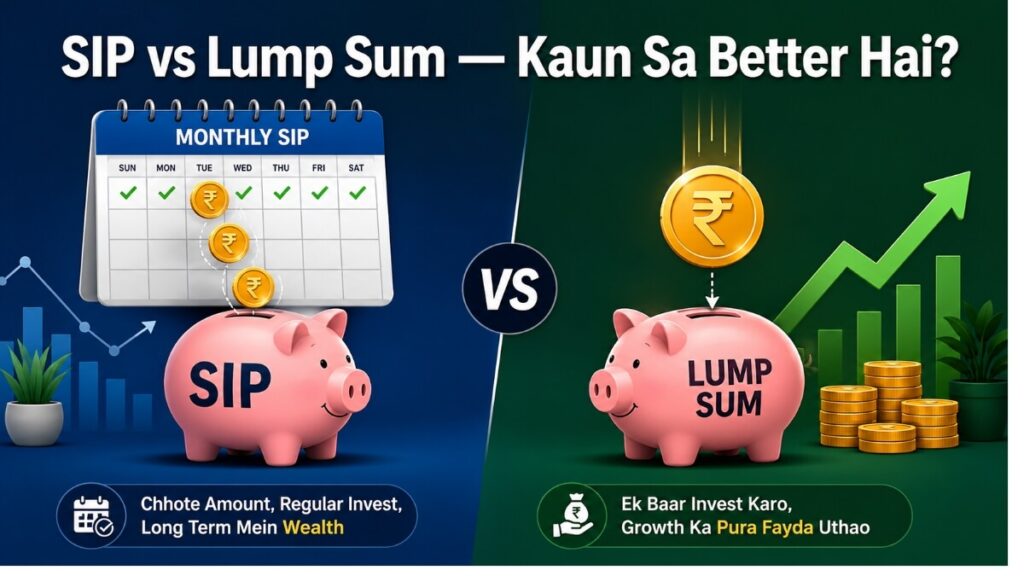
However, for those looking to enter fresh into gold silver investment at current elevated price levels, experts generally recommend caution. Instead of making a lump sum investment when prices are near record highs, a more disciplined approach through systematic investment plans can help average out your purchase cost over time and reduce the risk of buying at a market peak.
Should You Buy Gold and Silver Now or Wait?
Financial advisors are divided on the timing question, but most agree on a few core principles when it comes to gold silver investment during volatile periods like this one.
For Long-Term Investors
If you already hold gold or silver in your portfolio, there is generally no need to sell in a panic. As long as geopolitical tensions and economic uncertainty persist, gold has the potential for further re-rating, making it worthwhile to hold your existing positions rather than exit prematurely.
For New Investors
If you are considering gold silver investment for the first time, avoid putting a large lump sum into the market when prices are near their highs. A staggered approach through Systematic Investment Plans (SIPs) in gold ETFs or digital gold, allocating around 5-10% of your portfolio, is considered a more prudent strategy for new investors entering the space.
For Short-Term Traders
Investors trading in futures and options should be more cautious near resistance levels and should follow a strict stop-loss strategy to protect against sudden reversals, since short-term price swings in these precious metal products can be sharp and unpredictable.
Different Ways to Approach Gold Silver Investment
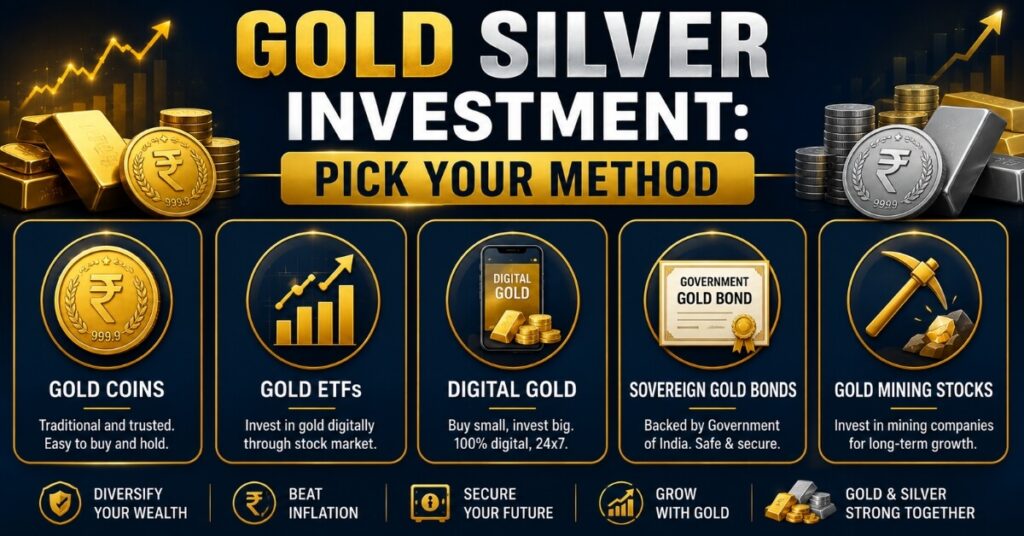
There are multiple avenues available for investors interested in gold silver investment, each with its own advantages and considerations.
Physical Gold and Silver
Buying physical jewellery, coins, or bars remains the most traditional form of gold silver investment in India. However, this method comes with concerns around storage, purity verification, and making charges that can eat into your returns, especially with jewellery purchases.
Gold and Silver ETFs
Exchange-traded funds offer a convenient way to gain exposure to gold and silver without the hassles of physical storage. These are traded on stock exchanges just like shares, offering high liquidity and transparency in pricing.
Digital Gold
Platforms offering digital gold allow investors to start their precious metal investment journey with amounts as low as ₹10, making it one of the most accessible options for young or first-time investors who want to build exposure gradually.
Sovereign Gold Bonds (SGB)
Sovereign Gold Bonds have historically been a popular route for gold silver investment in India, offering an additional interest component along with price appreciation. However, it is worth noting that the government has temporarily paused new SGB issuances, so investors should check current availability before planning around this option.
Mining and Mutual Fund Stocks
Some investors prefer indirect exposure to gold and silver through mining company stocks or precious metal mutual funds, which can offer leveraged exposure to price movements, though this comes with additional company-specific and market risks beyond just commodity price fluctuations.
Gold vs Silver: Key Differences Every Investor Should Know
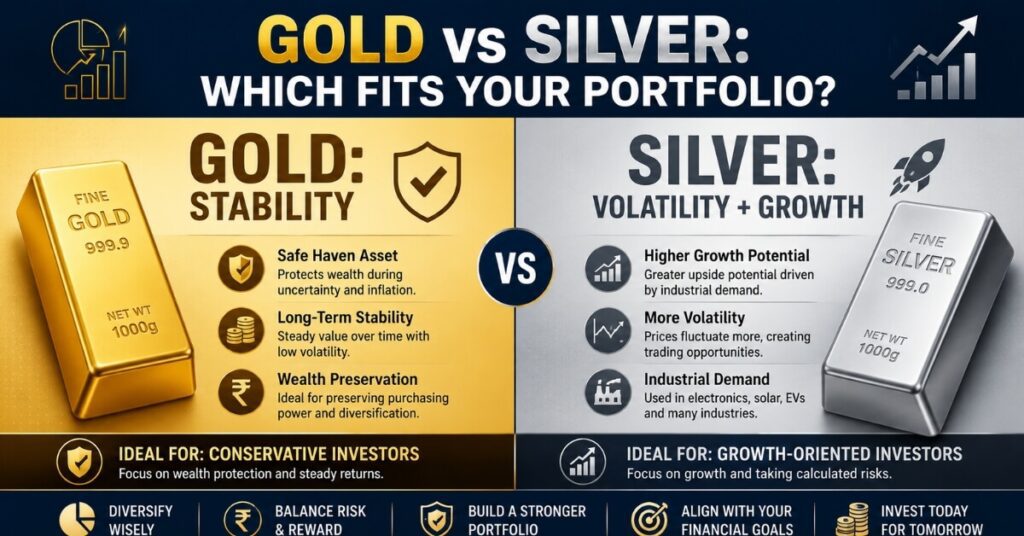
Understanding the difference between gold and silver is essential before finalizing your gold silver investment strategy. Gold is widely regarded as a long-term store of value that tends to perform well during periods of economic uncertainty and high inflation. It is primarily viewed as a safe-haven asset that helps preserve wealth during market turmoil.
Silver, in comparison, is more volatile and carries higher upside potential due to its dual role as both a precious metal and an industrial commodity. Because silver demand is closely tied to sectors like solar panels and electronics, its price often moves with a different rhythm compared to gold, sometimes amplifying gains during bullish phases but also experiencing sharper corrections during downturns.
Factors That Influence Gold Silver Investment Decisions
Several macroeconomic and geopolitical factors influence prices and, in turn, shape investment decisions in this space for retail investors:
Geopolitical Tensions: Wars, conflicts, and international disputes typically push investors toward safe-haven assets like gold, increasing demand and prices.
Central Bank Policies: Decisions by the US Federal Reserve, European Central Bank, and RBI on rates directly impact the opportunity cost of holding non-yielding assets like gold and silver.
Inflation Data: Rising inflation often increases the appeal of these precious metals as a hedge against currency devaluation.
Industrial Demand: For silver specifically, demand from renewable energy and electronics sectors adds another layer of price influence beyond pure investment demand.
Currency Movements: Since gold and silver are priced in US dollars internationally, currency fluctuations, including the rupee-dollar exchange rate, affect domestic prices in India.
Risks to Consider Before Making a Gold Silver Investment
While gold silver investment offers diversification benefits, it is not without risks, and investors should go in with realistic expectations.
Price Volatility: Both gold and silver can experience sharp short-term price swings based on global news events, making timing difficult even for experienced investors.
No Regular Income: Unlike stocks or bonds, physical gold and silver do not generate dividends or interest, so returns depend entirely on price appreciation.
Storage and Security Costs: Physical gold and silver holdings require safe storage, which can involve additional costs like locker fees or insurance.
Making Charges on Jewellery: If you are buying gold or silver jewellery as part of your investment strategy, making charges can significantly reduce your effective returns compared to other investment forms.
Market Timing Risk: Entering a gold silver investment at a price peak, driven by short-term panic or FOMO, can lead to disappointing returns if prices correct afterward.
How Much Should You Allocate to Gold Silver Investment?
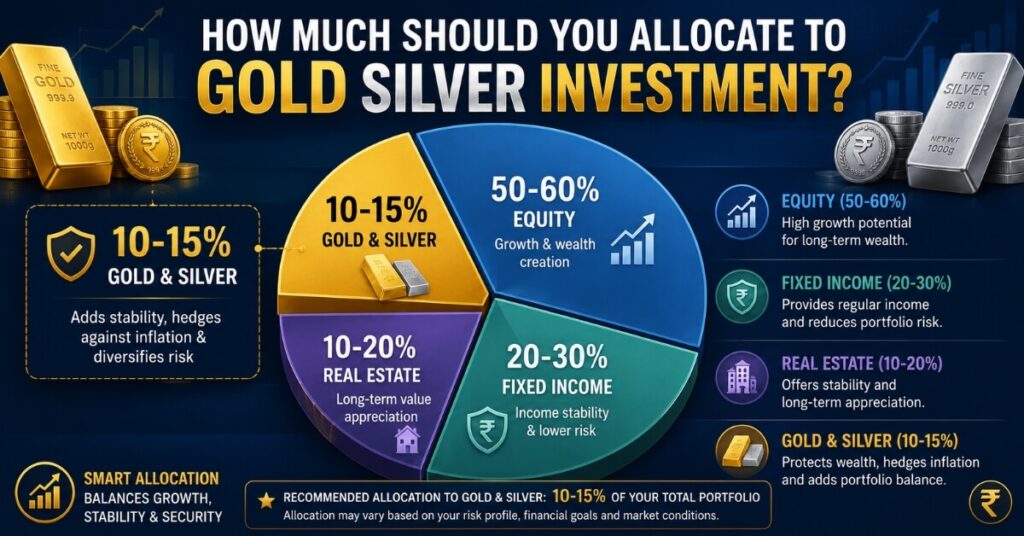
Financial planners generally recommend that gold and silver together should not exceed 10-15% of your total investment portfolio, depending on your individual risk profile and financial goals. This allocation helps you benefit from the diversification and hedging properties of precious metals without overexposing your overall wealth to commodity price volatility.
For salaried individuals who are also managing other financial priorities such as staying updated with the latest NSC interest rate for their fixed-income allocation, balancing gold silver investment alongside safer instruments like NSC can create a more resilient, diversified portfolio that performs well across different market conditions.
Gold Silver Investment for Different Investor Profiles
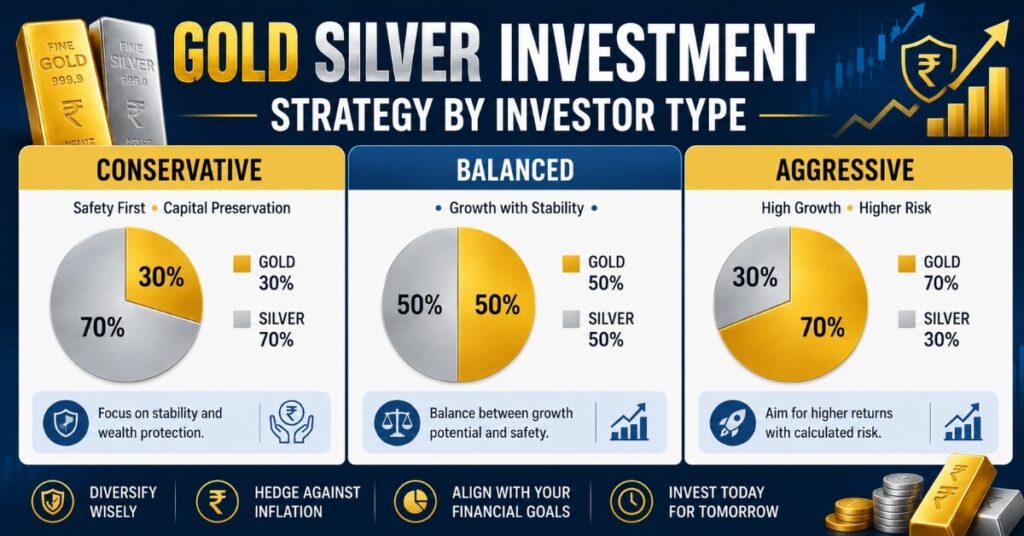
Conservative Investors
If capital preservation is your top priority, keeping a smaller allocation in precious metals through Sovereign Gold Bonds (when available) or gold ETFs, combined with a larger allocation to fixed-income instruments, may be the most suitable approach.
Balanced Investors
Investors with a moderate risk appetite can consider a mix of physical gold, gold ETFs, and a small allocation to silver, using systematic investment plans to average out purchase costs over time rather than making one-time lump sum purchases.
Aggressive Investors
Those comfortable with higher risk may explore a larger allocation toward silver, given its higher volatility and upside potential, along with exposure to mining stocks or precious metal mutual funds for additional leverage on price movements.
Historical Performance of Gold and Silver During Crises
Gold silver investment has historically performed well during periods of global crisis, wars, and economic downturns, which is precisely why it continues to attract safe-haven demand even today. During previous periods of geopolitical conflict and financial instability, both metals have shown their ability to preserve purchasing power when other asset classes, like equities, experienced significant declines. This historical resilience is a key reason financial experts continue to recommend a moderate allocation to gold and silver as part of a well-diversified long-term portfolio.
Tax Implications of Holding Gold and Silver in India
Understanding taxation is an important part of planning your precious metal holdings. Physical gold and silver held for more than 24 months qualify as long-term capital assets, and gains are taxed accordingly, while holdings sold within 24 months are taxed as short-term capital gains at your applicable income tax slab rate. Gold ETFs and digital gold generally follow similar taxation principles as physical gold, though rules can vary slightly, so it is worth checking the latest guidelines or consulting a MCX official website for live rates or a tax advisor before selling any precious metal holdings, especially if you have significant unrealized gains from the recent price rally.
Festival Season Buying Trends in India
In India, buying gold and silver during festivals like Akshaya Tritiya, Dhanteras, and Diwali has deep cultural roots, and this seasonal demand often creates temporary price spikes around these periods. While festival buying is largely driven by tradition rather than pure financial strategy, investors who plan their purchases around these dates should still be mindful of prevailing price levels rather than buying purely out of habit. If prices are already elevated due to global factors, it may be worth exploring smaller festival purchases while allocating the bulk of new precious metal exposure through more disciplined, staggered investment methods throughout the rest of the year.
Comparing Precious Metals With Other Asset Classes
When building a diversified portfolio, it helps to see how gold and silver compare with other common asset classes available to Indian investors. Equities generally offer higher long-term growth potential but come with significantly higher volatility, especially during uncertain economic periods.
Fixed-income instruments, such as fixed deposits or government-backed schemes, offer stability and predictable returns but typically lag behind precious metals during periods of high inflation or geopolitical stress. Real estate offers tangible value and potential rental income but suffers from poor liquidity compared to gold and silver, which can be bought or sold relatively quickly through ETFs or digital platforms. This is precisely why financial planners often recommend a balanced mix across these asset classes rather than concentrating your portfolio in any single category.
Common Mistakes Investors Make With Gold Silver Investment
Panic buying at price peaks driven by news headlines rather than a well-thought-out strategy
Ignoring making charges and premiums when purchasing physical gold or silver jewellery
Putting an excessively large portion of savings into precious metals, reducing overall portfolio diversification
Failing to track purity certification when buying physical gold or silver
Selling in panic during short-term corrections instead of sticking to a long-term investment plan
Global Cues to Watch Going Forward
Beyond the current geopolitical situation, investors tracking precious metal prices should keep an eye on a few global indicators that could influence the market in the coming months. US Federal Reserve statements on interest rate policy, inflation data releases from major economies, and any fresh developments in ongoing international conflicts can all trigger sudden price movements. Additionally, central bank gold purchasing trends, particularly from emerging market economies, have been a quiet but significant driver of demand over the past few years, and continued buying from this segment could provide underlying support to prices even during periods of short-term correction.
Frequently Asked Questions (FAQs)
Q1. Is gold silver investment a good option right now?
It depends on your investment horizon. Long-term investors can continue holding their positions, while new investors should consider a staggered approach rather than lump sum investment at current elevated price levels.
Q2. How much of my portfolio should be in gold and silver?
Most financial planners recommend limiting gold and silver combined to around 10-15% of your total investment portfolio, depending on your individual risk profile.
Q3. What is the difference between gold and silver as investments?
Gold is primarily a safe-haven, stability-focused asset, while silver is more volatile with additional industrial demand driving its price, offering potentially higher upside but also higher risk.
Q4. Are Sovereign Gold Bonds still available for investment?
The government has temporarily paused new Sovereign Gold Bond issuances, so investors should check current availability before including this option in their gold silver investment plan.
Q5. Can I start gold silver investment with a small amount of money?
Yes, digital gold platforms allow investors to start with amounts as low as ₹10, making precious metal investing accessible even for beginners with limited capital.
Q6. Is physical gold or gold ETF better for investment?
Gold ETFs generally offer better liquidity, transparency, and lower costs compared to physical gold, which involves additional expenses like making charges and storage costs.
Q7. What role does the US Federal Reserve play in gold and silver prices?
Federal Reserve interest rate decisions influence the opportunity cost of holding non-yielding assets like gold and silver, meaning rate cuts often support higher prices while rate hikes can pressure prices downward.
Conclusion
Gold silver investment remains a relevant and important part of a well-diversified portfolio, especially during times of geopolitical uncertainty and economic volatility like what we are witnessing in 2026. While long-term holders have little reason to panic and sell, new investors should approach the current elevated price levels with caution, favoring systematic and staggered investment strategies over lump sum purchases. As always, your ideal allocation to gold silver investment should depend on your personal financial goals, risk tolerance, and overall portfolio composition, rather than short-term market noise or price headlines.
Disclaimer
This article is for informational and educational purposes only and should not be considered financial or investment advice. Gold and silver prices are subject to market volatility and can fluctuate significantly based on global economic and geopolitical conditions. Readers are advised to consult a certified financial advisor and verify current market rates before making any gold silver investment decisions.

Pingback: Indo MIM IPO GMP Today: 40% Listing Gain Expected!